

Walking as a Dialogue with Nature
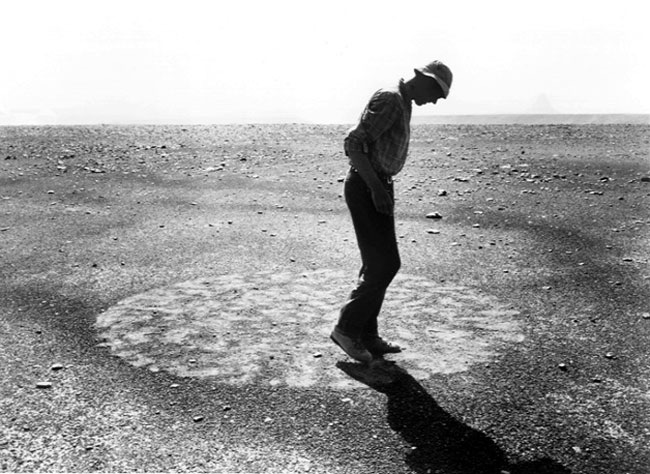
Richard Long (born 1945) is one of the most influential figures in Land Art and Conceptual Art. Rather than treating nature as a backdrop, Long uses the landscape itself as both his medium and his studio. His artistic practice is remarkably simple: he walks. A path across a mountain, a circle of stones beside a river, or a line traced through grass becomes an artwork that exists in direct relationship with the environment. An exploration of landscape, movement, and the relationship between human presence and nature.
Walking as an Artistic Process
Long’s breakthrough work, A Line Made by Walking (1967), was created by repeatedly walking back and forth across a grassy field until a visible line appeared. The work was then documented through a single photograph. The artwork is not merely the photograph—it is the action, the passage of time, and the physical relationship between the artist and the landscape. This work fundamentally expanded the definition of sculpture and introduced walking as a legitimate artistic medium.
Nature as Material, Not an Object
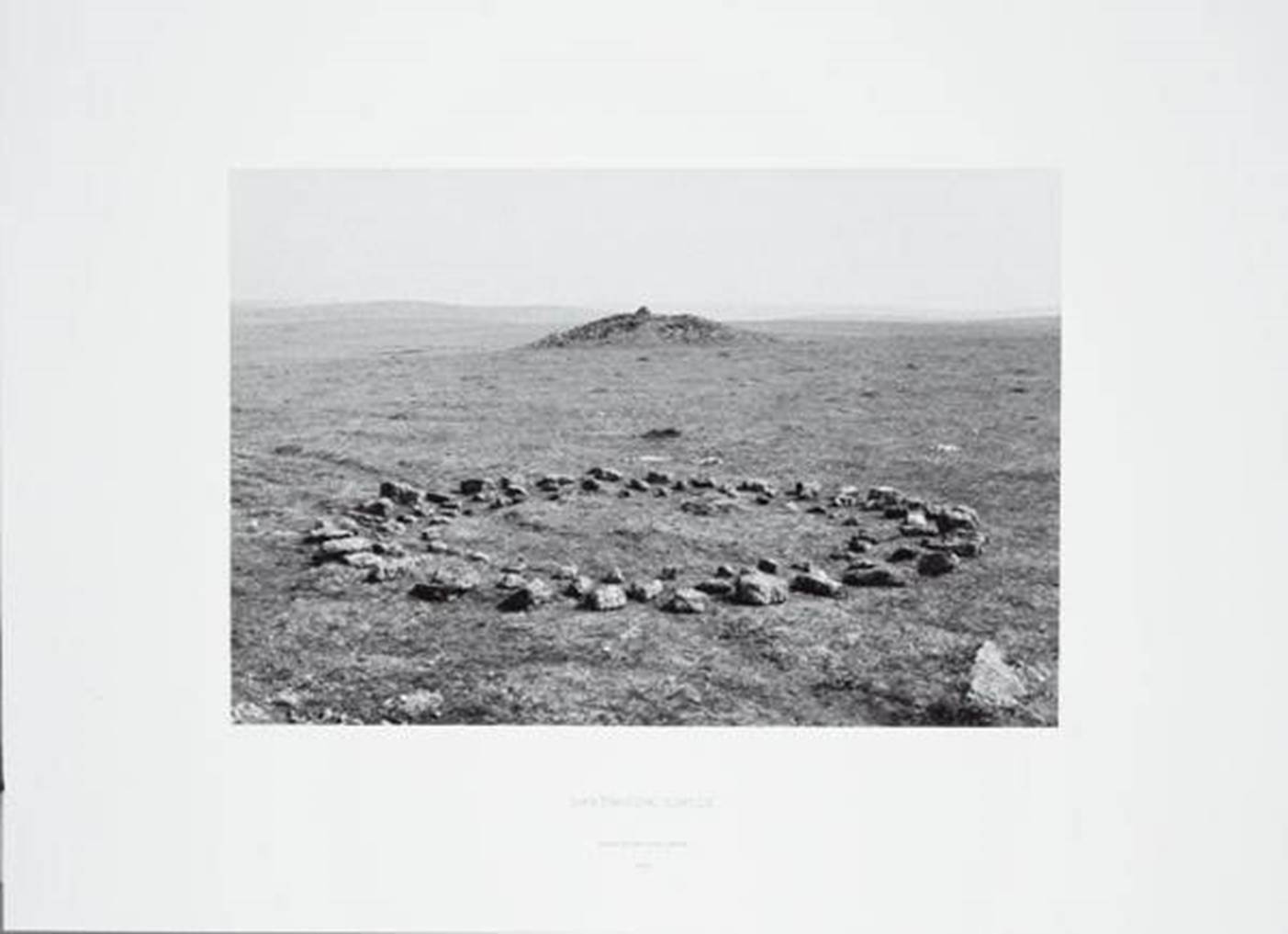
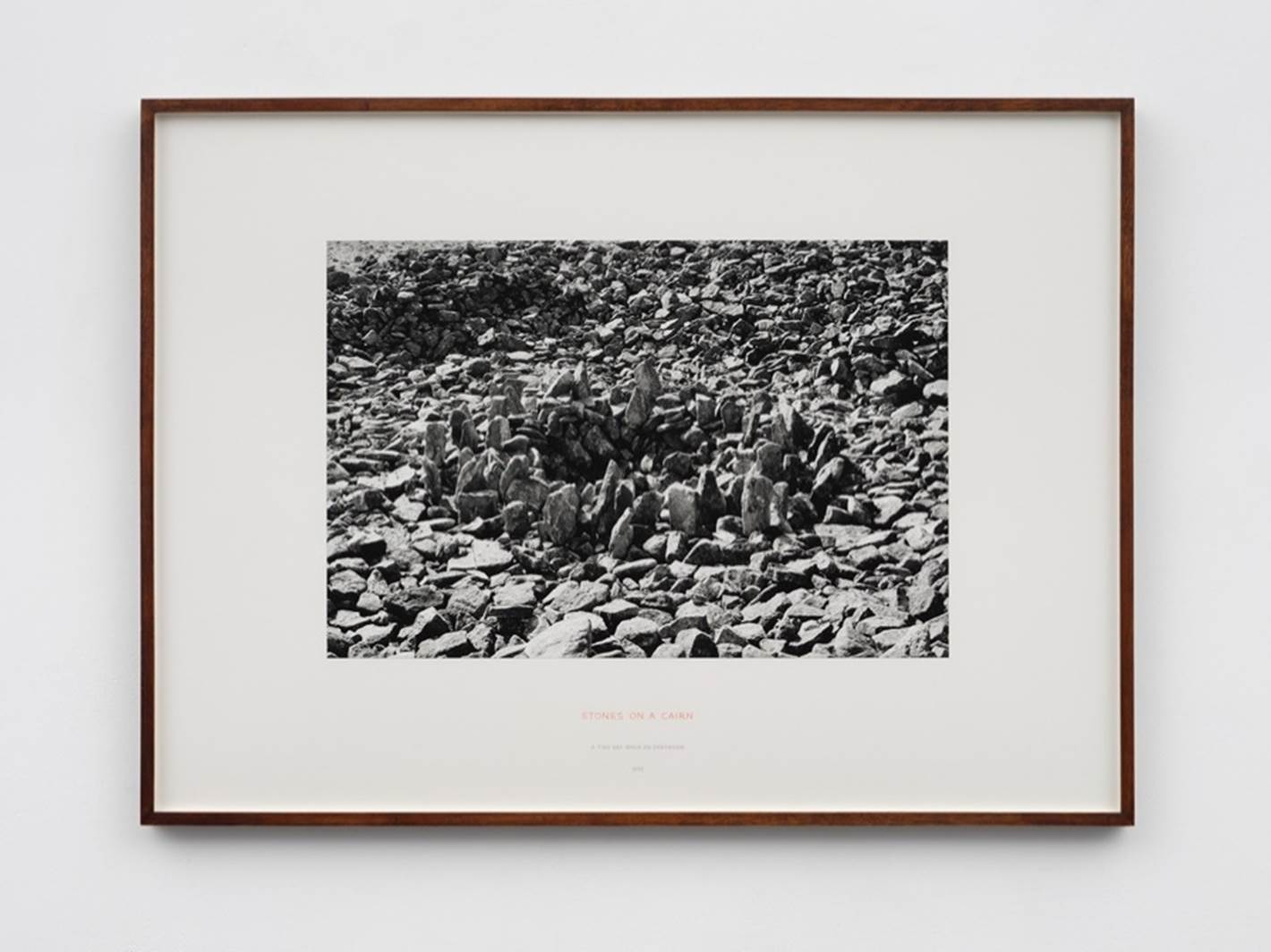
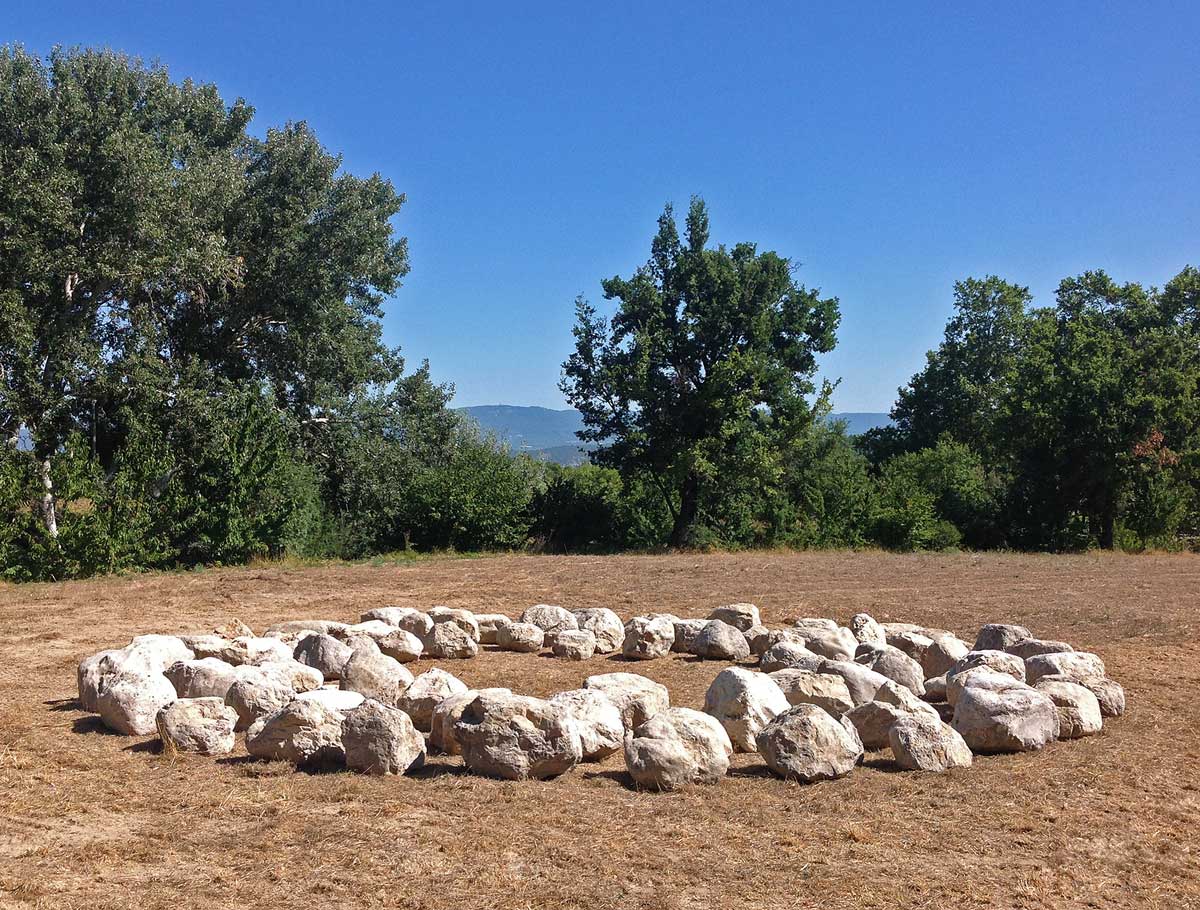
Unlike many Land Artists who transformed landscapes with heavy machinery, Richard Long works with minimal intervention. He rearranges stones, branches, mud, or leaves that already exist in a place, creating temporary geometric forms such as circles, lines, or spirals. Once nature reclaims these works, they disappear, emphasizing impermanence rather than permanence.
A Line in Japan
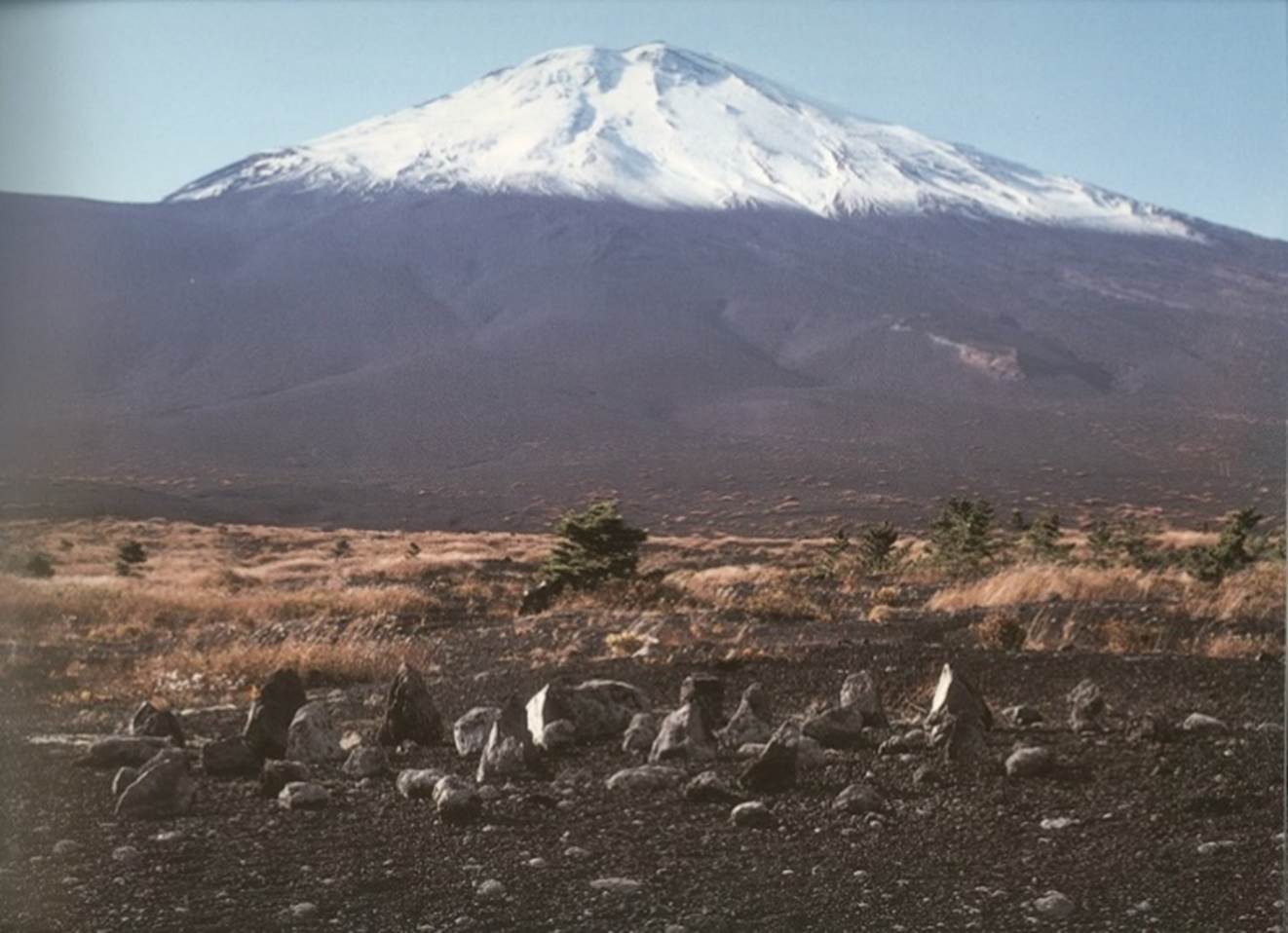
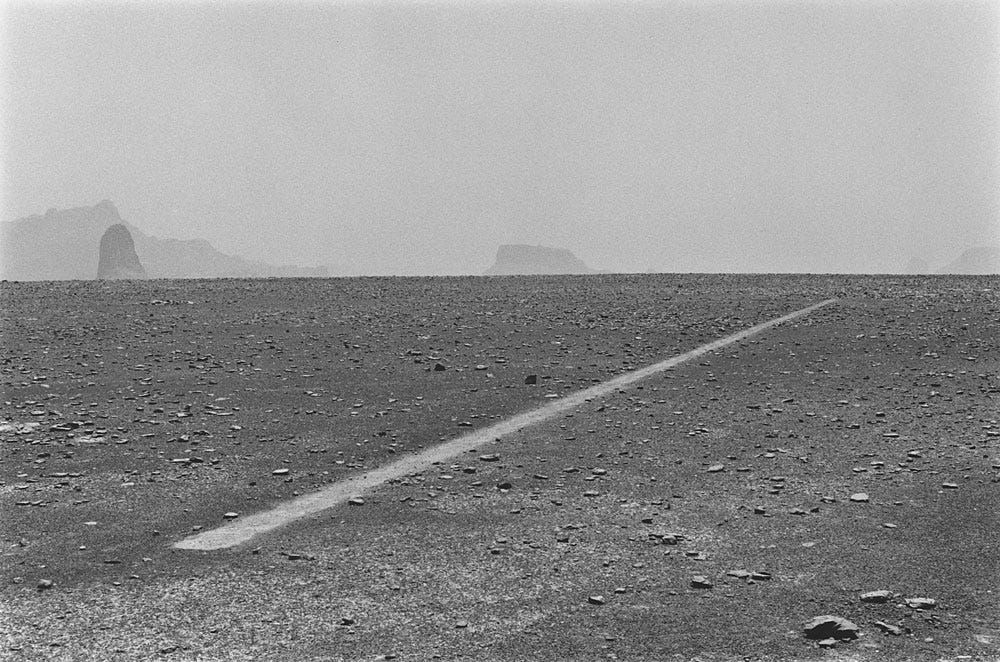
Among Long’s many walking projects is A Line in Japan, a work produced through a journey across the Japanese landscape. Rather than presenting Japan as a destination, the work records the experience of movement through mountains, forests, rivers, and rural paths. The “line” is not simply a physical mark—it represents distance, time, memory, and the connection between the human body and the environment.
Like many of Long’s walking works, A Line in Japan exists through documentation: photographs, maps, and text that preserve an otherwise temporary encounter with nature. Recent scholarship highlights how this work creates relationships between places through the act of walking itself.
Walking as an Artistic Process
Long’s breakthrough work, A Line Made by Walking (1967), was created by repeatedly walking back and forth across a grassy field until a visible line appeared. The work was then documented through a single photograph. The artwork is not merely the photograph—it is the action, the passage of time, and the physical relationship between the artist and the landscape. This work fundamentally expanded the definition of sculpture and introduced walking as a legitimate artistic medium.
Nature as Material, Not an Object
Unlike many Land Artists who transformed landscapes with heavy machinery, Richard Long works with minimal intervention. He rearranges stones, branches, mud, or leaves that already exist in a place, creating temporary geometric forms such as circles, lines, or spirals. Once nature reclaims these works, they disappear, emphasizing impermanence rather than permanence.
A Line in Japan
Among Long’s many walking projects is A Line in Japan, a work produced through a journey across the Japanese landscape. Rather than presenting Japan as a destination, the work records the experience of movement through mountains, forests, rivers, and rural paths. The “line” is not simply a physical mark—it represents distance, time, memory, and the connection between the human body and the environment.
Like many of Long’s walking works, A Line in Japan exists through documentation: photographs, maps, and text that preserve an otherwise temporary encounter with nature. Recent scholarship highlights how this work creates relationships between places through the act of walking itself.
1/5
His philosophy is rooted in respect for the landscape. The artwork is created with nature, not against it.
Richard Long transformed the idea of landscape in contemporary art. Instead of depicting nature in paintings, he entered it directly, allowing walking to become both the creative process and the artwork itself. His practice explores themes including:
1. The relationship between humans and nature.
2. Time and distance experienced through movement.
3. Ephemeral interventions that leave minimal environmental impact.
4. Documentation as part of the artwork.
His work continues to influence artists, designers, architects, and researchers interested in environmental thinking and the relationship between body, place, and landscape.
Richard Long transformed the idea of landscape in contemporary art. Instead of depicting nature in paintings, he entered it directly, allowing walking to become both the creative process and the artwork itself. His practice explores themes including:
1. The relationship between humans and nature.
2. Time and distance experienced through movement.
3. Ephemeral interventions that leave minimal environmental impact.
4. Documentation as part of the artwork.
His work continues to influence artists, designers, architects, and researchers interested in environmental thinking and the relationship between body, place, and landscape.